Essential Guide to Residential Garage Door Repair for Homeowners
Why Garage Door Repairs Deserve Your Attention
A garage door is one of the largest moving parts of a home, and when it stops working properly, the inconvenience is immediate. Whether you are dealing with a door that refuses to open, makes grinding noises, or sits crooked on the track, understanding the basics of residential garage door repair can save you time and frustration. Many problems have straightforward causes, and knowing what to look for helps you decide when to call a professional and when a simple adjustment might do the trick.
Garage doors rely on a delicate balance of springs, cables, rollers, and an opener. When one component fails, the whole system can feel unreliable. In places like Minneapolis and St. Paul, where winters bring extreme cold and summers bring humidity, the wear on these parts accelerates. A routine issue today can become a safety hazard tomorrow if left unchecked.
Common Problems and What Causes Them
Broken Torsion Springs
The torsion spring is the workhorse of a modern garage door. It counterbalances the weight of the door so the opener can lift it smoothly. When a torsion spring snaps, you will hear a loud bang, and the door will become very heavy to lift manually. This is one of the most dangerous repairs a homeowner can attempt because the spring is under high tension. Replacing a torsion spring requires the right tools and experience. For homes in Minnesota, where temperature swings cause metal fatigue, spring failure is more common than many people realize.
Misaligned Garage Door Track
A garage door track that is bent, loose, or out of alignment will cause the door to bind or jump as it moves. Over time, the track can shift due to settling of the house or impact from a car. Checking the track for gaps between the rollers and the rail is a good first step. If the door is noisy or jerky, the track is often the culprit. Straightening it or tightening the brackets can sometimes solve the problem without a full repair.
Worn Garage Door Rollers
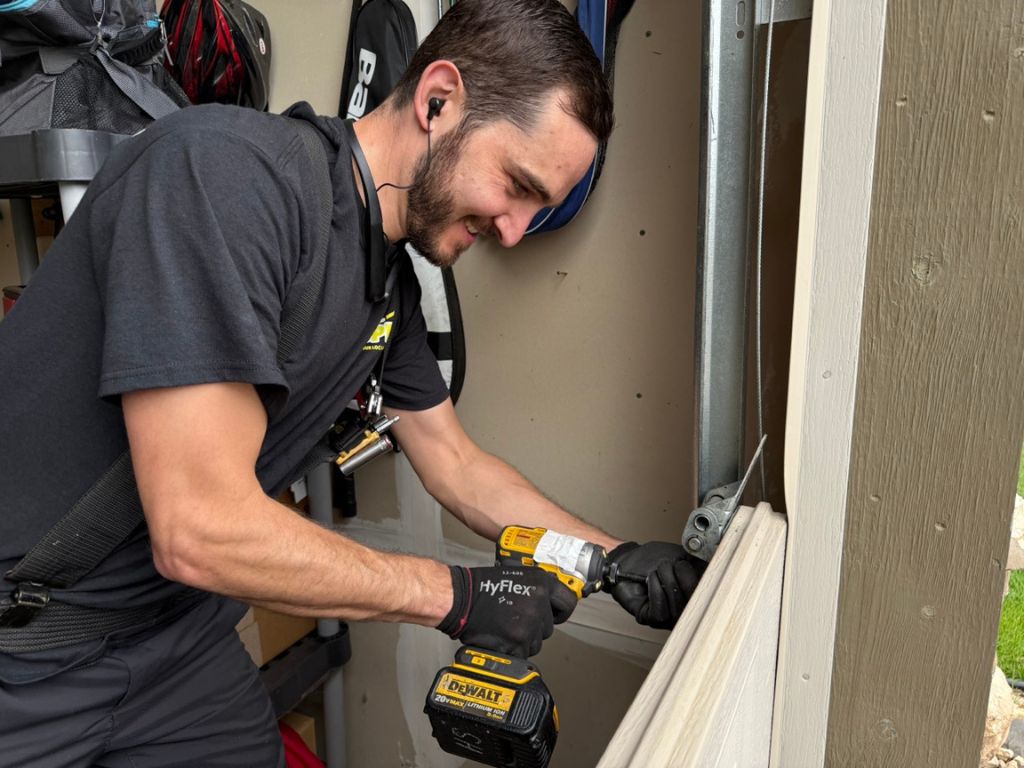
Rollers travel inside the track and take a beating every time the door opens and closes. When they become flat, cracked, or loose, they create a rough ride and can even cause the door to derail. Replacing garage door rollers is a straightforward job if the door is properly supported, but it is easy to overlook until they start making noise. Many hardware stores carry universal roller sets, but matching the stem size to your door's brackets matters.
Faulty Garage Door Opener and Sensors
Modern openers from brands like LiftMaster, Chamberlain, and Genie include safety sensors that prevent the door from closing on an obstruction. If the sensors are misaligned, dirty, or have a broken wire, the door may refuse to close or reverse for no reason. Cleaning the lenses and checking that both sensor eyes face each other exactly can fix many false alarms. If the motor unit itself fails, the solution often involves replacing the logic board or the whole opener. A smart garage door controller can add convenience, but it relies on the same basic mechanical system working correctly.
When the Door Itself Is the Problem
Not every issue is with the hardware that moves the door. Sometimes the door panels themselves need attention. Panel garage doors, which are common in the area, consist of sections hinged together. Over time, the hinges can rust or the panels can warp. Clopay, Amarr, and Wayne Dalton are among the manufacturers whose doors you will see on homes around St. Paul and Minneapolis. If a panel is damaged, replacing just that section is usually possible, but matching the exact model and finish can be tricky. For roller garage doors, which roll up into a cylinder above the opening, the drum and curtain can wear unevenly. A crooked roll often means the door needs professional attention.
Safety Sensors and Cables: Small Parts, Big Impact
The garage door cable is what connects the door to the opener or the manual release. If the cable is frayed or has snapped, the door can fall suddenly. This is a serious safety risk. Extension springs, found on older doors, also pose a hazard because they stretch over time and can break without warning. Safety sensors are a modern requirement on all auto-reverse openers. They sit near the floor on both sides of the door. If you have a smart garage door controller that lets you operate the door from your phone, the sensors still must be working for safe operation. Never bypass them, even temporarily.
Seals and Weatherstripping
A garage door seal that is cracked or missing lets in drafts, pests, and moisture. In a Minnesota winter, a poor seal can cause ice to form on the floor inside the garage and make the door harder to operate. Replacing the bottom seal is a simple DIY task, but the side and top seals may require a bit more care to get the fit right. A tight seal also helps the opener work more efficiently because the door is not fighting against a draft.
Deciding Whether to Call a Professional
Some aspects of residential garage door repair are well within the reach of a handy homeowner. Replacing rollers, adjusting track brackets, cleaning sensors, and swapping out weather seals are tasks that require basic tools and a careful approach. But jobs involving torsion springs, extension springs, cables, or major track realignment carry real risk. A torsion spring under tension can cause serious injury if released the wrong way. The same goes for cables that support the full weight of the door. If you are unsure about the tension or the procedure, it is wise to call a professional service that handles these repairs regularly.
In the Minneapolis and St. Paul area, many companies specialize in the brands common in the region, including LiftMaster, Chamberlain, Genie, Wayne Dalton, Clopay, and Amarr. Professionals have the correct winding bars for springs, the experience to diagnose intermittent problems, and the parts on hand to get the door working in one visit. They also know the local building codes and safety requirements that apply to residential installations.
Preventive Steps That Extend the Life of Your Door
A little routine care goes a long way. Lubricating the garage door track and rollers twice a year with a silicone-based spray keeps movement smooth. Checking the balance of the door is simple: disconnect the opener by pulling the release handle, then lift the door manually. It should stay in place at about halfway up. If it falls or rises on its own, the spring tension needs adjustment. Tightening loose hardware on the track brackets and hinges prevents bigger problems later. And testing the safety sensors monthly by placing an object in the path of the closing door ensures they still reverse properly.
Many homeowners overlook the condition of the garage door cable. A cable with frayed strands should be replaced before it snaps. Similarly, the garage door seal should be inspected after heavy snow or storms. Ice buildup can tear the seal or damage the bottom panel. Keeping the track clear of debris and the sensors aligned will prevent most of the nuisance issues that lead to a service call.
Understanding the Limits of DIY
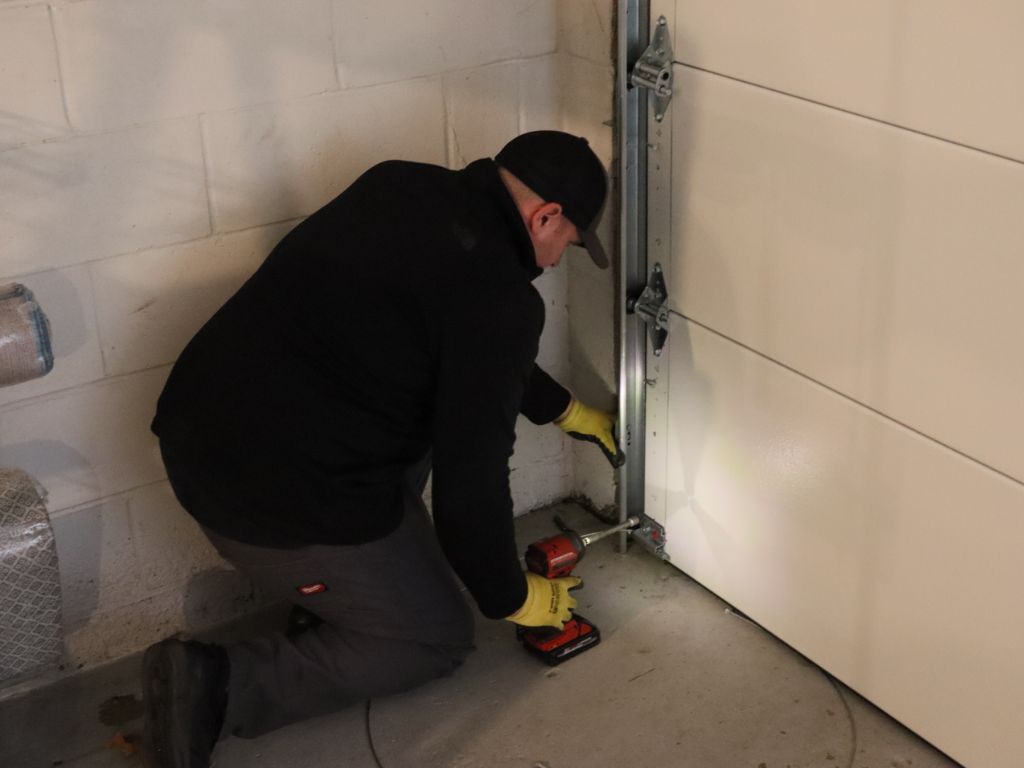
There is a difference between maintenance and repair. Cleaning and lubricating are maintenance. Replacing a torsion spring or a damaged cable is a repair that involves stored energy and precise alignment. The same caution applies to the opener itself. Opening the motor unit to replace a capacitor or a gear can void the warranty and is often more expensive than a professional repair when a mistake happens. A good rule of thumb is that if you need to hold the door up while you work on it, you should have a professional do the job. The forces involved are larger than most people expect.
Brands like LiftMaster, Chamberlain, and Genie make reliable openers, but even the best equipment needs periodic attention. A smart garage door controller adds features like remote monitoring and scheduling, but it does not change the mechanical demands on the door. The springs, cables, and rollers still carry the load.
Final Thoughts
Every garage door system is a combination of simple machines working together. When one part fails, the whole system feels unstable. By learning the basic components and the common failure points, you can make informed decisions about residential garage door repair. Whether you handle the small fixes yourself or call a pro for the heavy work, the goal is the same: a safe, quiet, and reliable door that works every time. In the Twin Cities area, where weather puts extra stress on your home's equipment, staying on top of small issues prevents them from turning into emergencies. A little attention today keeps your garage door operating smoothly tomorrow.